WA Week Seven – June 22 – June 29
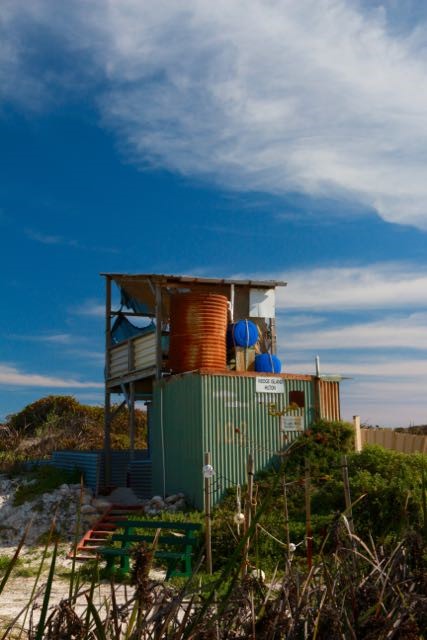
Once we left truffle-hunting behind, we were heading up through the Turquoise Coast to the Coral Coast. The weather would warm up, in fact we would cross the Tropic of Capricorn after a few days and the sea would be more appealing for swimming. We made an overnight stop at the Bennett’s ranchette to replenish our supply of welcoming faces, fresh eggs, tree-ripened limes, homemade yoghurt and to share a few stories of our journey. We departed Perth via the Indian Ocean Drive and soon we couldn’t resist a side road to Wedge Island which turned out to be a “leasehold shack settlement” for fishers. In contrast, just over the sand dunes separating them from the sea, was a pristine picture-perfect beach.

Our initial destination in the next phase of our travels was the Pinnacles, found within the small Nambung NP that celebrates these ancient limestone structures in the desert setting. That evening we discovered our first “free” campsite off a lonely stretch of Indian Ocean Drive. We arrived a little before sunset (and if you’ve been paying attention you know what the WA sunsets are like) and we parked about 10 metres from the gently lapping sea. The air smelled deliciously briny, reminding us to be sure the tide wouldn’t rise up to swallow us in the middle of the night, we were that near the water. Honestly, it doesn’t get any better than this.


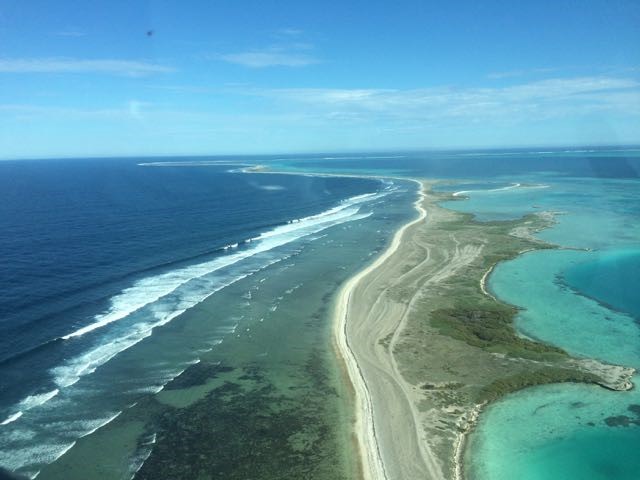
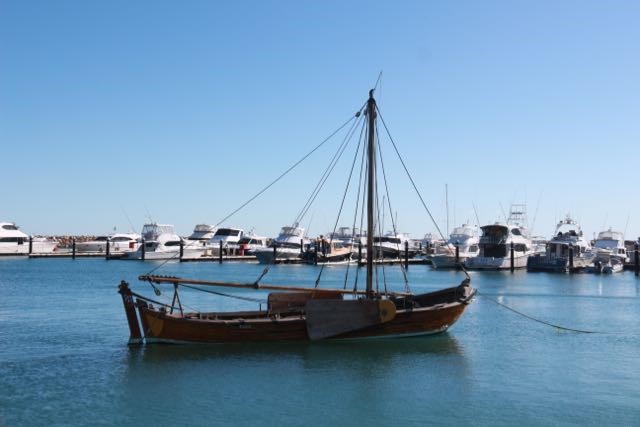
The following day we had arranged to visit the Abrolhos Islands, 55 kms off shore at Geraldton. Turns out we were the only passengers in the Cessna 172 for a 4-hour excursion. We were keen to do this because of an amazing historic event that occurred here. In 1629 a Dutch ship hit a coral reef here and sank. The story behind this shipwreck is one of the more interesting. It involved mutiny, massacre and subsequent reprisal by the returning crew who had managed to successfully sail a 30-foot longboat to Jakarta Indonesia in 33 days with 46 people in search of fresh water.
Our young pilot grew up on the Abrolhos and gave us a flyover of the 122 islands that was pretty spectacular. We landed on one of these and walked along the beach to a pergola where we lunched after a snorkel in the refreshing water. At one point Ned popped up and called out to ask if we were interested in a good sized feisty crayfish he had just caught. It was ours if we swam back with it. I announced that Joe would love to do that, so he cracked his back to keep him from clawing Joe. Any plan we may have made for dinner was officially thwarted. A few whale sightings on the return flight rounded out a great day.

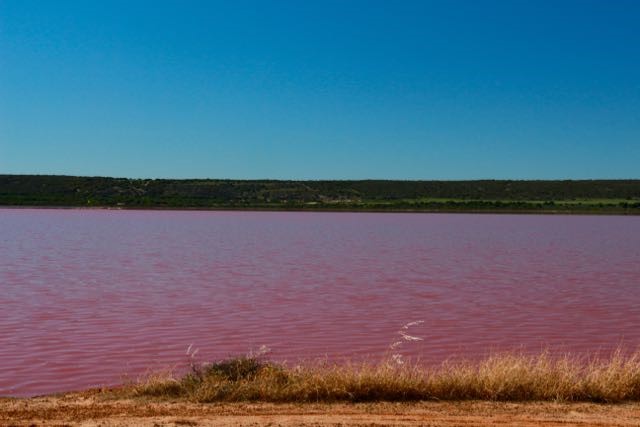
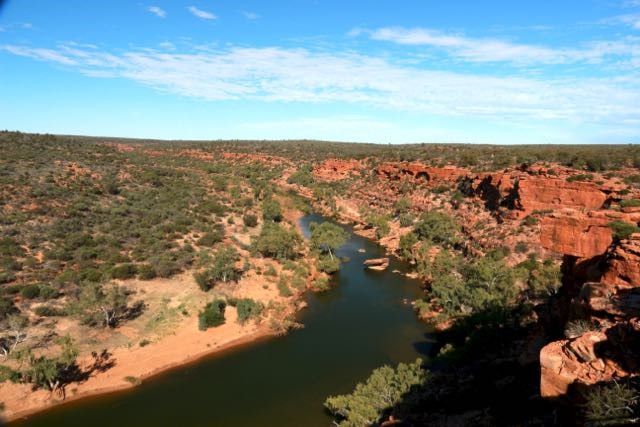
On the way to Kalbarri NP we saw an unusual feature known as Pink Lake, so called because of a bacteria that lives in the salt deposits. Kalbarri is exceptional because of the spectacular sandstone cliffs along its coastline. Pity the fles deterred our spending more time hiking the trail that follows the ridgeline. The park is divided into two sections, the other half is prominent because of the gorge cut by the 820 km Murchison River. We were really looking forward to exploring this canyon as well except the only access is via a 20 km jarringly corrugated road. After 6 km we decided our van (and we) couldn’t handle it and we gave up.


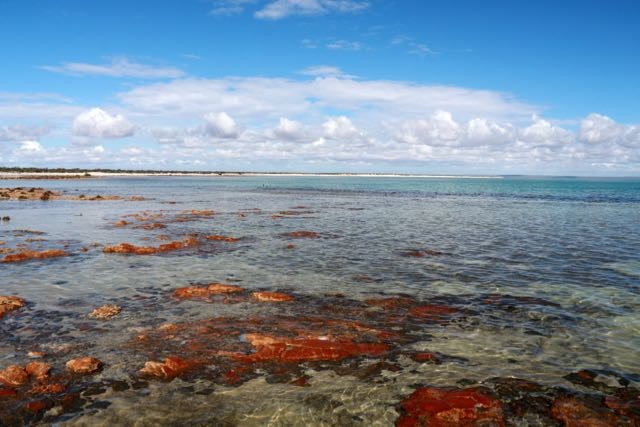
Our next port of call was another phenomenal site that puts it on the World Heritage list. Marine stromatalites are the oldest living fossils at 3.5 billion years. At Hamelin Pool in Shark Bay we were looking at a younger version that is only 3,000 years old. They grow in a shallow area in water that has twice the saline content of any other part of the sea. It was quite astonishing to be in the presence of these organisms (and another reason we were keen to visit WA, thanks to Bill Bryson’s book Down Under aka A Sunburnt Country).

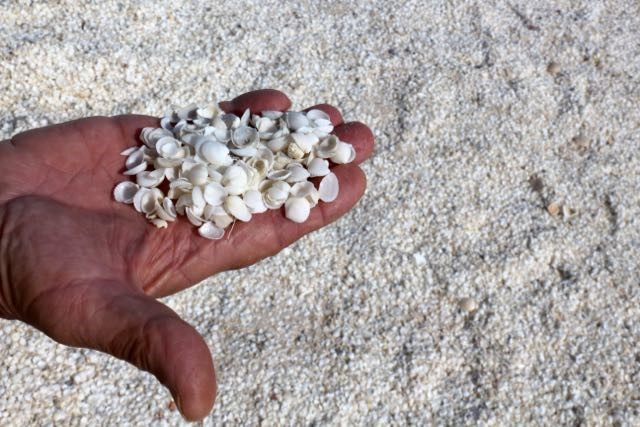
Two other things make this region special are the cockle shell which cover many of the beaches here and become so compact with age that they have been cut to use as building blocks. And the wild dolphins that come to feed at Monkey Mia like clockwork give visitors and opportunity for a close encounter with these docile creatures.